-
What is ASA/PVC co-extruded WPC, and how is it different from regular WPC?
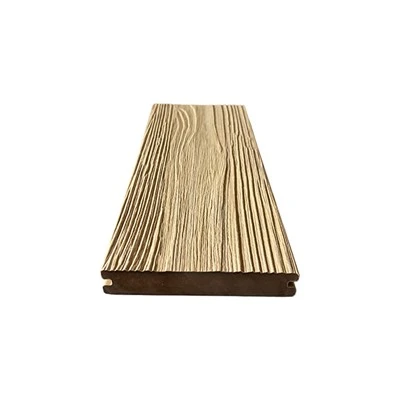
Regular WPC is typically a single composite body (wood fiber + polymer) throughout. ASA/PVC co-extruded boards add a co-extruded cap layer-often ASA-over a different core structure (often PVC-heavy), fused during manufacturing. Co-extrusion and capstock layering are widely used concepts in exterior plastics to put the most weather-resistant material on the exposed surface.
-
Why is ASA/PVC co-extrusion better for outdoor applications than standard WPC?
Because standard WPC still has wood content near the surface, and water exposure can cause wood particles to swell, creating stress and microcracking over time. A polymer cap is meant to reduce water ingress and weathering of that wood/polymer interior.
-
Can ASA/PVC WPC withstand extreme weather conditions?
"Extreme" depends on spec and installation, but ASA is specifically used in exterior applications for UV/weather resistance, and ASA capstock is marketed by major suppliers for harsh-weather uses (including PVC co-extrusion capstock).
-
How long does ASA/PVC co-extruded WPC last compared to wood or single-layer WPC?
It varies by manufacturer and warranty. In the broader capped-composite market, long fade/stain and product warranties (25 years and beyond) are common talking points, and capped products are marketed as a durability step up from earlier uncapped generations.
-
What maintenance is required for ASA/PVC co-extruded WPC decking or cladding?
Typical maintenance is simple cleaning-sweeping, periodic washing, mild cleaners. The "gotcha" is spill discipline: many stain-resistance warranties are written around cleaning common spills within a defined time window using soap/water or mild household cleaners.
Hot Tags: fireproof solid asa decking, China fireproof solid asa decking manufacturers