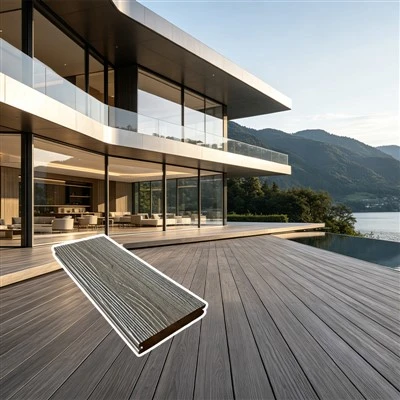
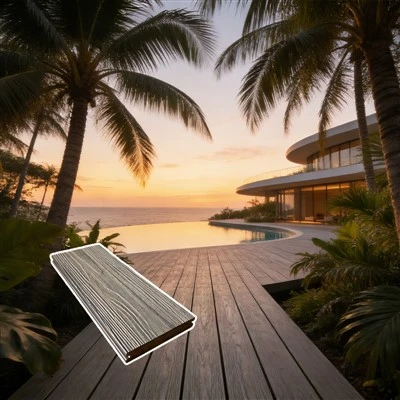
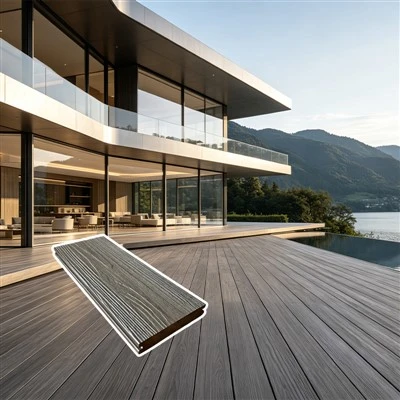
When it comes to choosing the right material for your outdoor decking or cladding needs, two popular options are PVC and WPC. PVC stands for polyvinyl chloride, while WPC stands for wood plastic composite.
To start with, both PVC and WPC are widely used for outdoor decking or cladding because of their durability, low maintenance and attractive appearance. PVC is a synthetic material that is made from a combination of plastic and vinyl. On the other hand, WPC is composed of a mixture of wood fibers or sawdust, and plastic or recycled materials.
One of the key benefits of PVC is that it is highly water-resistant and does not absorb moisture. This makes it an ideal choice for outdoor applications, where exposure to the elements is a concern. PVC decking or cladding is also resistant to mold, mildew, and pests like termites, which can be a major problem with traditional wood products. Additionally, PVC is available in a range of colors and textures, allowing you to create a customized look that complements your home's style.
Another advantage of PVC over WPC is that it is more environmentally friendly. PVC is fully recyclable and can be repurposed into new products. Because PVC is a synthetic material, it doesn't require the cutting down of trees or the use of other natural resources. It also does not release any harmful chemicals into the environment during production.
However, there are also some drawbacks to PVC decking and cladding. PVC is not as strong as traditional wood or WPC, which can make it more susceptible to damage from heavy foot traffic or furniture. It can also become brittle over time, particularly in extreme weather conditions. Additionally, PVC does not have the same natural wood texture and appearance that WPC offers.
WPC, on the other hand, typically features a more realistic wood appearance, with a textured surface that looks and feel like natural wood. In terms of durability, WPC is also a strong and sturdy material that can handle heavy foot traffic, pets, and furniture. Because it contains a combination of wood and plastic, it provides the best of both worlds when it comes to strength and appearance.
WPC is also a more eco-friendly option than traditional wood products. Because WPC contains recycled materials, it reduces waste and helps to conserve natural resources. Additionally, WPC decking or cladding requires less maintenance than traditional wood products, as it does not need to be stained or sealed regularly.
However, WPC also has some downsides compared to PVC. It is not as water-resistant as PVC, and can absorb moisture if left in damp conditions for an extended period of time. This can lead to warping or cracking, particularly in extreme climates. Additionally, WPC is not as resistant to pests like termites as PVC.